Friday, 17 November 2023

Processing of F&B Linen and Uniforms

Today we will discuss on how linen and uniforms of the F&B(Food & Beverages) industry are processed

The F&B department in the hospitality industry plays an important role in terms of service delivered. Therefore linen management and washing plays an equally important part in F&B performance. 


Firstly let us discuss about the linen and then we will talk about the uniforms

A. Linen:

The various linens that need to be washed in the F&B sector are-

1. Table Covers

2. Napkins

3. Frills

4. Chair Covers

5. Ribbons

6. Dusters etc.,

SOP:

a. Sorting:

The linen has to be sorted in line with- 

1. White color

2. Light color and 

3. Dark color 


b. Washing:

Once the sorting is done next comes washing, the linen is washed using the appropriate set of chemicals, fabric softeners etc.,

Kitchen dusters need separate treatment to get rid of the soil & odour as they are heavily soiled

c. Ironing:

Steam ironing is preferable as most of the F&B garments are delicate in nature


B. Uniforms:

The various uniforms that need to be washed in the F&B sector are-

1. Chef Coats

2. Blazers

3. Kitchen Steward Uniform

4. Shirts

5. Trousers

6. Caps

7. Aprons

8. Waist Coats

9. Silk Sarees etc.,


SOP:

a. Sorting:

The uniforms are to be sorted in line with-

1. “To-be-Dry Cleaned” and “To-be-Washed”

2. Also unifroms are segregated as bright coloured, dark coloured, colour bleeding, and white coloured garments


b. Washing:


1. The uniforms shirts are to be treated for collar and cuff soil removal 

2. Whiteness and cleanliness are to be maintained at the highest level for the white colored garments

3. Color bleeding uniforms should not be processed with other garments

4. Stain Removal will be done separately in case they are not getting removed in bulk wash


c. Ironing:

Ironing should be done as per the type of fabric-

1. Steam Ironing

2. Hot Press

Therefore it is very important to follow the above SOPs while washing the linen & uniforms of the F&B Industry. This will definitely maintain the hygiene and quality.

Friday, 20 October 2023

Ever wondered how spa linen is processed?

 Today we will discuss how linen for a spa is processed. We will deep dive into what are the necessary steps and processes involved in washing spa towels. Spas which come under the luxury category need to have quality towels that will give good customer satisfaction to their clients


Therefore it is very important to understand the process of washing spa towels which needs to be given extra care when compared with hotels and other segments

Below is the link of my previous articles-

1. What are the important aspects required for laundry?

2. SOPs for washing hotel laundry?

Q. Is Pre-Wash necessary?

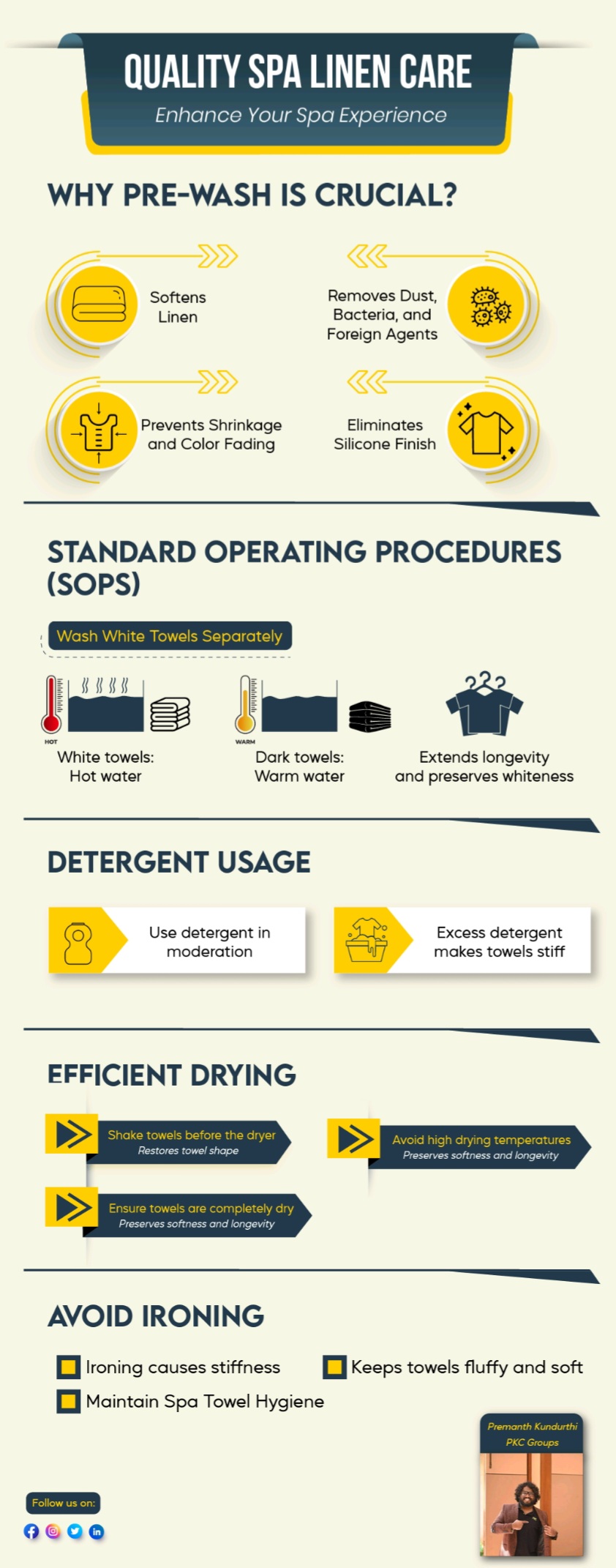
A. Pre-wash of linen is absolutely important as it-

·         Softens the linen

·         Removes dust, bacteria and any other unknown foreign agents

·         Eliminates shrinkage and color fading

·         To rinse of the silicone finish that coats most towels

Standard Operating Procedures (SOPs) in washing the spa towels-

1.       Washing of White Towels separately from the Colored Towels:

White spa towels need to be washed in hot water and separately from all dark shaded towels. Dark shaded towels need to be washed in warm water. This increases the longevity as well as helps to keep the whiteness intact.

This seems to be a lot of work, but for good results this is a must.


2.       Detergent Usage:

Detergent usage need to be kept in check. Excess detergent usage will make the towels stiff


3.       Shake the towels before putting them in the dryer:

The spin cycle after the washing squeezes the towels and they will become in the size of a round cake. We need to separate and give them a good shake. This will help the dryer process to be more efficient


4.       Drying:

In this step it is important to see that we don’t use high temperatures to dry. High temperatures might cause the fabrics of the towels to lose their softness and wear them out faster than their life cycle


At the same time we need to dry the towels completely before they are folded/rolled as they will be stored. If they are not completely dried then moisture might creep into the towels and it can damage the towels


5.       Ironing:

Don’t iron the towels. Ironing causes stiffness and makes the towels less fluffy

Therefore it is very important to follow the above SOPs while washing the spa towels. This will definitely maintain the hygiene and quality of the towels

For more insights you can get connected with me on,

People can get in touch with me in LinkedIN, Facebook, Instagram

PK,            

PKC Groups.

Saturday, 14 October 2023

Ever wondered how hotel linen is processed?

We’ve got a very good response to our last article which was on what are the important parameters that affect the wash quality of linen.


Today we will discuss on how linen in a hotel is processed and what are the necessary steps and processes involved in washing of bed sheets, pillow covers, duvet covers, bath mats, bath robes, bath towels, face towels, hand towels, F&B linen etc.,
Before knowing the process of washing let us know what parameters the purchase department of a hotel checks before purchasing the linen (bed & bath linen)-

Q. Parameters a hotel purchase department checks before purchasing linen (bed linen & bath linen)?
A. Thread Count(TC)- Bed linen, Grams per Square Meter(GSM)- Bath Linen, Life Cycle of Linen

1. Thread Count (TC):
Thread count is a measure of the number of threads woven into 1 square inch of fabric.
300 TC- It means that the fabric used to make the bedsheet has 300 threads woven horizontally and 300 threads woven vertically per square inch. Essentially it is a parameter which shows us how tightly a fabric is woven. A thread count between 300-500 is a solid range for high quality bedsheets, duvet covers.

Thread Count(TC):
Thread Count(TC)
ItemsWorst Best
Bedsheet<200200-600
Duvet Cover<200200-600
Pillow Cover<200200-600
*Also depends on the type of fabric we choose

2. Grams per Square Meter (GSM):
GSM is a measurement of towel weight.
High GSM towels are usually better in quality. In general, a cotton bath towel that weighs 400 GSM and above is considered to be good in quality. The fabric in the high GSM towels is woven more densely, and hence it is softer and more absorbent when compared to lower GSM towels

A minimum of 500 and above GSM towels are advisable for guest towels (hotel bath linen)

Grams Per Square Meter(GSM):
Grams Per Square Meter(GSM)
ItemsWorst Best
Bath Towels<200500-700 or more
Hand Towels<200500-700 or more
*Also depends on the type of fabric we choose

Advantages & Disadvantages of TC &GSM:
1. The major advantage of higher TC & GSM is that the quality will be very good and the linen will be very soft. We can feel the luxury of it
2. The cost is more for higher TC & GSM linen when compared with lower TC & GSM linen
3. The absorbent power of higher TC & GSM linen is high when compared with lower TC & GSM linen
4. Higher TC & GSM linen will have more durability when compared with lower TC & GSM
5. Lower TC & GSM linen are good for travelling purposes as they are light in weight
If the budget is not a constraint and only service matters then going for higher TC & GSM linen is a best option
3. Life Cycle of Linen:
The general industry standard is somewhere between 120-200 washes also depending on how the washing process is done.
Therefore to reach the desired life expectancy of the linen it is important that we follow the SOPs while processing the linen. If the SOPs are not followed then the linen will be discarded frequently which affects the costing and the overall profitability of the hotel


After purchasing the linen, the next step is pre-wash.
Q. Is Pre-Wash necessary?
A. Pre-wash of linen is absolutely important as it-
• Softens the linen
• Removes dust, bacteria and any other unknown foreign agents
• Eliminates shrinkage and color fading
Once the linen is pre-washed then the hotel is good to use them

Standard Operating Procedures (SOPs) in washing the linen (white linen)-
1. Segregate the stained linen and non-stained linen
2. Pretreat the stains- Stain removal
3. Wash at a temperature (40-60C) with liquid detergents
(washing consists of three cycles: Prewash, Main Wash, Rinse)
4. Dry them at high temperatures to eliminate bacteria also we should see to it that they we won’t over dry them
5. We should iron them when the linen is still damp to get wrinkle free & crisp finishing
6. Pack and deliver back to the customer

As washing is a daily process we should closely monitor all the parameters which I’ve discussed in my earlier article (water, machinery, chemicals & process)

To maintain the hygiene, quality and health of the linen the above SOP should be definitely followed

A professionally run laundry company can look into all the above processes and parameters and the same cannot be expected from a local dhobi

For more insights you can get connected with me on,
People can get in touch with me in LinkedIN, Facebook, Instagram
PK,
PKC Groups.

Wednesday, 11 October 2023

Looking for Quality & Timely Laundry Partner for your Linen ?

 Looking for a quality & timely laundry partner for your linen?

PKC Laundries is into laundry and dry-cleaning business from the past 8 years. We’ve worked with various hotels, resorts, gyms, kitchens, restaurants, corporate companies, spas, salons, co-living spaces etc., In the past 8 years we’ve understood that washing garments is a science which includes chemistry and mechanics. If a person is good at understanding these 2 subjects then washing garments will be easier for him/her.


The following is a question which we keep asking ourselves everyday-

Q. What are the parameters that are needed to be concentrated while washing the linen?

A. The first important aspect in the laundry industry is WATER. Water plays a very critical role in the washing of garments. If the water has right PPM and other constituents in right percentages then 60% of the washing problem is solved

So, in our study we’ve found the following parameters and their priority percentages that will directly impact the wash quality-

1. Water- 60%(of the wash quality depends on water)

2. Chemicals- 15%

3. Machinery- 15%

4. Process, Manpower, Logistics etc.,- 10%

Therefore we can see that water is the major parameter on which the wash quality of the linen majorly depends

If the above parameters are checked on a daily basis then the quality and hygiene of the linen need not be compromised at all. Therefore if you’ve wondered why chemistry and mechanics are the intrinsic subjects of laundry industry then you’ve got your answer!

Water (H2O) is the stand out component for all the below parameters to perform well-

• Stain Removal,

• Brightness of white clothes (bedsheets, duvet covers, pillow covers, bath towels, hand towels, face towels etc.,)

• Machinery Maintenance,

• Chemical Usage,

• Linen Quality,

• Hygiene Point of Linen,

• Cleanliness etc.,

Therefore if we really care about our linen then it is good we concentrate on the above 4 important parameters without any delay.

In the next blog I will elaborate more on what are the parameters one should check at the time of purchasing linen, SOPs of washing hotel linen, etc.,


For more insights you can get connected with me on, LinkedIN, Facebook, Instagram

PK,​

PKC Groups.

Sunday, 20 June 2021

5) a) What are the various types of Windows used in a house? What are the functions of windows?

 In continuation with the earlier article on ‘the various stages in construction of a house’, after external finishes of a house we will go for the installation of door and window frames.


In this article we will be discussing on the various types of windows used in a house

At PKC Realtors, we install windows as per the client’s requirement. Some of them are discussed below.

Types of Windows:

In general selection of windows depends on the following factors-

  • Location of the room
  • Size of the room
  • Direction of the wind
  • Climatic conditions
  • Utility of the room
  • Architecture of the room

There are many varieties of windows available in the market

Below are some of them-

  • Fixed Windows:
  • Fixed windows are fixed to the wall without any closing or opening operation
  • In general, they are provided to transmit the light into the room
  • Fully glazed shutters are fixed to the window frame
  • The shutters provided are generally weatherproof


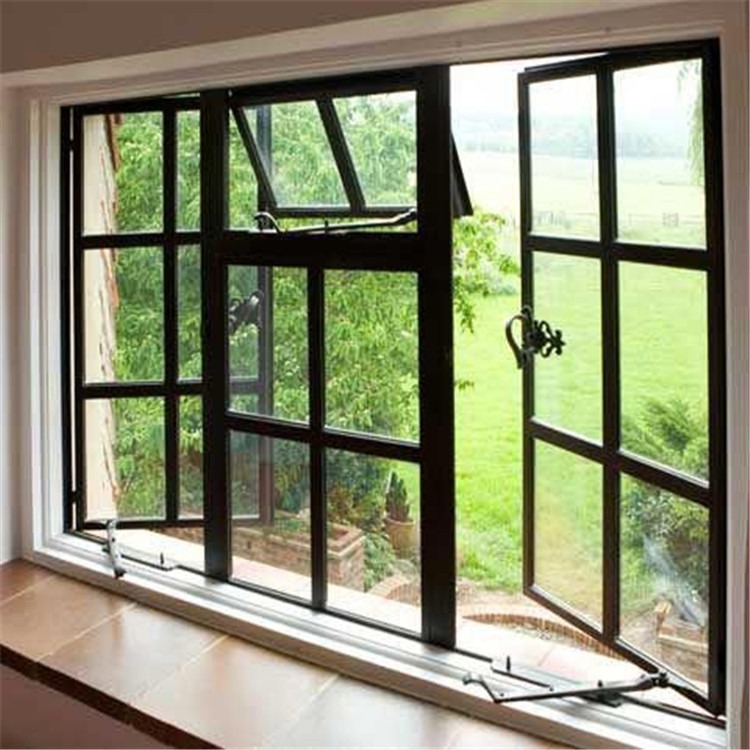
  • Awning Windows:
  • An awning window is hinged on its top edge, so that it opens upwards and out
  • Awning windows commonly are paired with large picture windows and placed along bottom, sides, or top of the picture window to provide ventilation
  • They can also be installed above doors
  • Because they open out, awning windows are not recommended near walkways 


  • Sliding Windows:
  • In this case, window shutters are movable in the frame
  • The movement may be horizontal or vertical based on our requirements
  • The movement of shutters is done by the provision of roller bearings


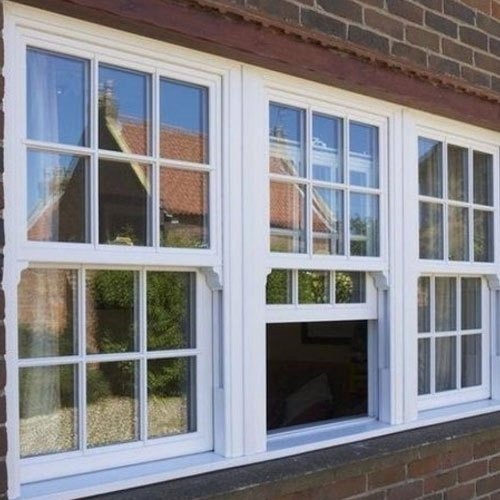
  • Single Hung and Double Windows:
  • These are the most common and familiar window types
  • The only difference between them is that single-hung has a movable lower sash and a fixed upper sash, while double-hung has two movable sashes; the upper sash slides down
  • The main advantage of double-hung windows is somewhat better ventilation
  • With both sashes opened about halfway, air naturally flows in through the lower opening and out through the upper opening


  • Pivoted Windows:
  • In this type of windows, pivots are provided to window frames
  • Pivot is a shaft which helps to oscillate the shutter 
  • The swinging may either horizontal or vertical based on the position of pivots.


  • Louvered Windows:
  • Louvered windows are provided for the ventilation without any outside vision
  • The louvers may be made of wood, glass or metal
  • Louvers can also be folded by provision of cord over pulleys
  • Generally, they are provided for bathrooms, toilets and privacy places etc.,


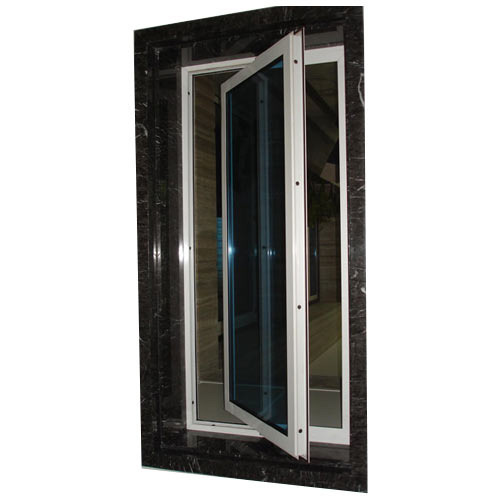
  • Casement Windows:
  • Casement windows are the widely used and common windows nowadays
  • The shutters are attached to frame and these can be opened and closed like door shutters
  • The panels of shutters may be single or multiple
  • Sometimes wired mesh is provided to stop the entry of mosquitoes and fly’s


  • Metal Windows:
  • Generally mild steel is used for making metal windows
  • These are very cheap and have more strength
  • Some other metals like aluminum, bronze, stainless steel etc., are also used to make windows
  • For normal casement windows also, metal shutters are provided to give strong support to the panels


  • Sash Windows:
  • Sash window is type of casement window, but in this case panels are fully glazed
  • It consists of top, bottom and intermediate rails
  • The space between the rails is divided into small panels by means of small timber members called sash bars or glazing bars


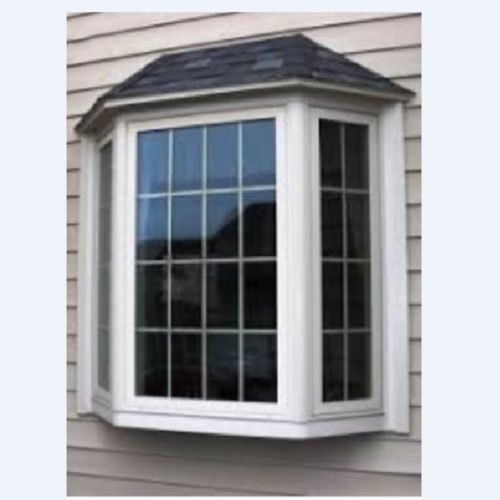
  • Bay Windows:
  • Bay windows are projected windows form wall which are provided to increase the area of opening, which enables more ventilation and light form outside
  • The projection of bay windows are of different shapes- Triangular/Rectangular/Polygonal etc.,
  • They give beautiful appearance to the structure


  • Dormer Windows:
  • Dormer windows are provided for sloped roofs
  • These are projected from the sloping surface 
  • They provide ventilation as well as lighting to the room
  • They also enhance aesthetic sense of room


  • Lantern Windows:
  • Lantern windows are provided for over the flat roofs
  • The main purpose of this window is to provide the more light and air circulation to the interior rooms
  • Generally, they are projected from the roof surface so, we can close the roof surface when we required


  • Gable Windows:
  • Gable windows are provided for sloped roof buildings
  • These windows are provided at the gable end of sloped roof, so they are called as gable windows
  • They also improve the appearance of building


Therefore these are the various types windows used by PKC Realtors in their construction projects

In the next part of this article, we will be discussing on the installation of electrical and plumbing lines in house construction

For more information,

People can get in touch with me in LinkedIN, Facebook, Instagram

PK,

PKC Groups.

Tuesday, 8 June 2021

5) What are the various types of Doors used in a house? What are the functions of doors?

 In continuation with the earlier article on ‘the various stages in construction of a house’, after external finishes of a house we will go for the installation of door and window frames


In this article we will be discussing on the various types of doors used in a house

At PKC Realtors, we install doors as per the client’s requirement. Some of them are discussed below.


Types of Doors:

There are many varieties of doors available in the market

Below is the classification of doors based on the materials used for manufacturing them.

  • Timber Wood Doors:
  • Traditionally, timber wood is largely used for the manufacture of doors/windows 
  • Timber is most commonly being used for making of doors
  • Its main advantage is the local availability of material and the ease with which it can be made 
  • Although they can be used for all locations in the house, they are best placed for exterior locations i.e., main door


  • Battened and Ledged Doors:
  • Battened and ledged doors are the simplest form of doors and are in use since ages
  • Such doors consist of vertical wooden battens of the height of the door 
  • Usually three horizontal ledges are provided, one each at the top and bottom and one in the middle
  • Battened and ledged doors can also be either braced or braced and framed to provide rigidity and better appearance
  • Such doors are commonly adopted for toilets, baths etc., and also in houses where economy is of prime consideration


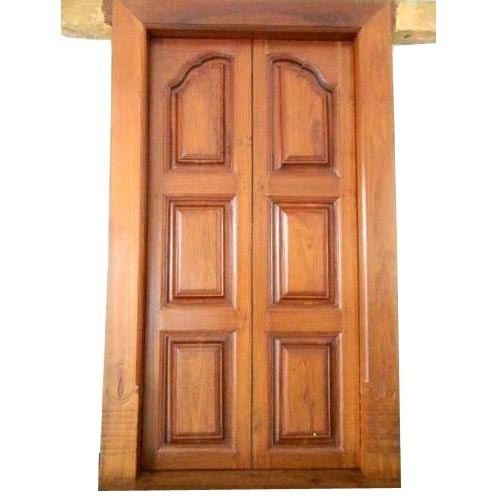
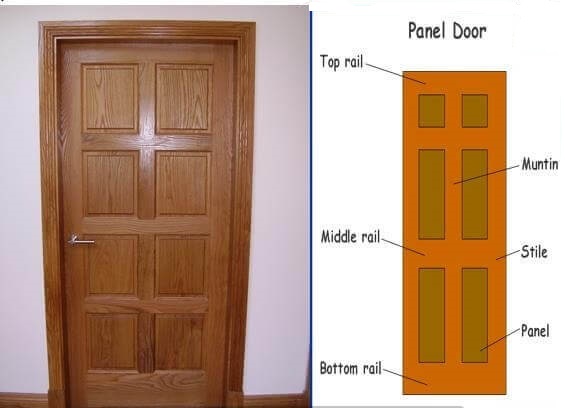
  • Framed and Paneled Doors:
  • These types of doors are most commonly provided in the houses 
  • The frame for the door is made out of wood and the shutter panels out of timber, plywood, block board, hard board, etc.,
  • A number of designs can be made on the panels, thereby making such doors quite decorative
  • The panels can also be made out of glass. In cases where part of the door is in wooden panels and the remaining is of glass panels, the door is known as paneled and glazed door
  • Paneled and Glazed doors have a flexibility of design which can look aesthetically pleasing
  • The door frame for such types of doors can be made out of wood itself or of metal sections like steel etc.,


  • Flush Doors:
  • A flush door is a completely smooth door, having Plywood or Medium Density Fiberboard fixed over timber frame which is comparatively light
  • Flush doors are most commonly employed in the interior of a dwelling
  • The frames for such doors can be made out of wood, steel etc., which can hold its weight
  • The doors are usually hinged along one side to allow the door to open in one direction only
  • Flush doors are commonly provided in houses these days due to the reasons of economy, pleasing appearance, durability etc., 
  • While providing these doors for toilets, baths, the inner face of the door should be covered with aluminum sheets to provide protection against water


  • Glass Doors:
  • Glass is usually provided for doors, mostly for paneling
  • Normally such doors are provided on the backside of the house as it provides unobstructed view of the backyard or garden
  • Front doors made of glass are equally beautiful, but care should be taken to ensure both privacy and durability 
  • Cut glass panels set into wooden frames are frequent and beautiful options for front doors. Such doors are costly and require good maintenance
  • They are usually costly than other doors besides being heavier


  • Steel Doors:
  • Steel or other such metal construction has been used for years as they are efficient and are a sturdy option for exterior and interior doors alike 
  • It has been found to be a good substitute for wood and is being used extensively for making frames 
  • Holdfasts and hinges are normally welded to the frame in case of steel frames
  • Steel frames are quite popular and are being used extensively for houses and other locations as they are economical than the conventional wooden frames
  • Shutters can also be made out of Mild Steel (MS) sheets, welded or riveted to a frame of angle iron or channel section, properly braced
  • They are long lasting with minimum maintenance
  • These can invariably be used where security is of a greater concern


  • PVC(Poly Vinyl Chloride) Doors:
  • It is basically a plastic material commonly used for making various products including water tanks, pipes, fittings etc., for houses
  • The use of PVC for the manufacture of doors has become very popular and a large variety of the same are available in different colors and designs
  • The advantages of using PVC doors are that they are termite proof, durable, anti-corrosive, light weight and moisture resistant
  • They are also easy to fabricate, install and very economical when compared with wooden doors
  • However they are not suited for entry doors as, security is an issue. Also they are not weather proof like wooden or metal doors, also they cannot resist the harsh environmental conditions


  • Fiberglass Doors:
  • Glass fibers bonded with resin that can be used to manufacture a range of products including bathtubs, doors and windows etc.,
  • Fiberglass is said to be one of the most hardened materials with relatively low maintenance costs as compared with wood and steel
  • Fiberglass doors are expected to be stable as they do not warp, bow or twist  and offer good insulation properties
  • Fiberglass is strong, light & non-flammable and has a high tensile strength
  • They can also be painted as per design
  • Doors and windows made out of fiberglass can be provided with wooden panels on the surface to improve upon the aesthetics
  • Doors made out of fiberglass can be used for both exterior and interior locations
  • The exterior doors have designer options such as beveled glass and door stiles


  • FRP(Fiber Reinforced Plastic) Doors:
  • FRP is a general term relating to the reinforcement of plastic with fibrous glass
  • Due to its high strength it can be put to many uses including manufacture of doors
  • Typically, the tensile strength is about ten times that of PVC
  • FRP molded doors are available in many colors and finishes including natural wood finish
  • Necessary wooden supports are provided for fixing the handles, locks, stoppers and other accessories
  • FRP doors are in good demand these days for use in modern houses


  • Aluminum Doors:
  • Aluminum is a metal which has been put to a large number of uses due to being light in weight
  • A large number of products made out of aluminum are available including doors, windows, partitions, curtain walls etc.,
  • Aluminum frames for doors have the distinct advantage of resisting difficult environmental conditions
  • Being light in weight they transfer less loads to the foundations
  • Aluminum frames are not affected by termites and as such they are long lasting
  • Aesthetically they are quite pleasing and are quite economical in the long run


  • Bamboo Jute Composite Doors:
  • Bamboo is one of the fastest renewable plants with a maturity cycle of 3-4 years, making it a good natural resource compared to forest hardwoods 
  • Bamboo offers good potential for processing it into composites as a wood substitute
  • Bamboo laminates could replace timber in many applications including for doors & windows and their frames etc.,
  • One of the alternatives to wood product is the jute-coir composite board which can be utilized for the manufacture of doors
  • Bamboo-jute composite doors have the advantage of being water resistant, corrosion resistant, termite resistant, eco-friendly, bio-degradable and cost effective


Therefore these are some of the doors used by PKC Realtors in their construction projects

In the next part of this article, we will be discussing on the various types of windows used in house construction and their functions


For more information,


People can get in touch with me in LinkedIN, Facebook, Instagram


PK,

PKC Groups.